
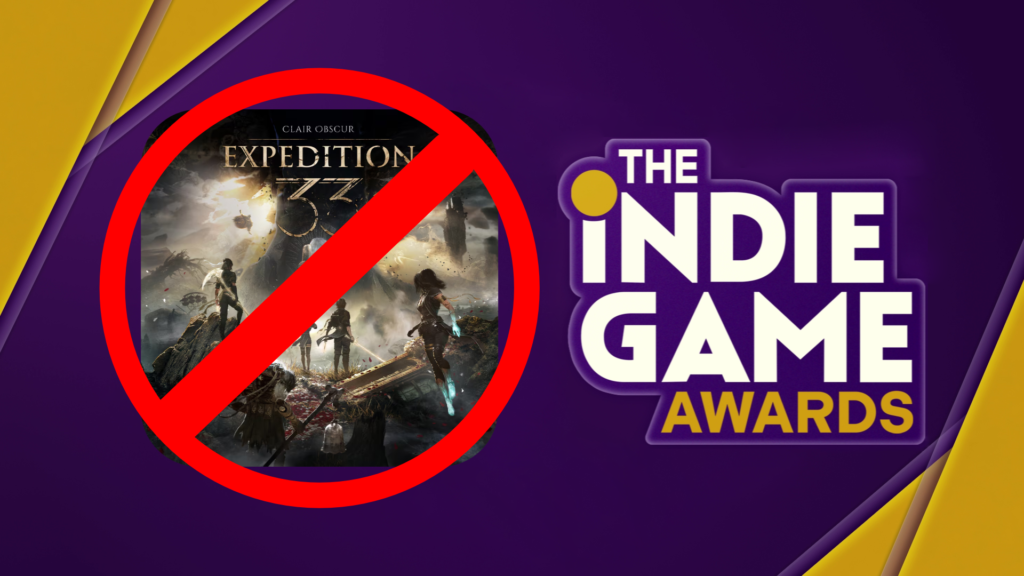
The decision by the Indie Game Awards to withdraw Clair Obscur: Expedition 33’s Game of the Year title brings into question the ethical utilization of AI in contemporary game design. When you make a purchase through our website links, we may receive a commission as affiliates. This disqualification of Clair Obscur prompts uncomfortable inquiries regarding transparency.
Recently concluded on YouTube, the Indie Game Awards initially bestowed the prestigious Game of the Year award upon Clair Obscur: Expedition 33. However, this victory was short-lived, as the award was later revoked due to the game’s incorporation of generative AI during its creation process. It came to light that Sandfall Interactive, the studio behind Expedition 33, had employed “some AI, but not extensively,” according to the game’s producer.
Further investigation revealed that AI-generated temporary assets were used in the initial stages before being removed upon detection of the issue. This information was first disclosed publicly more than seven months ago on X platform. Sandfall Interactive has been transparent about their perspective on creative AI, distinguishing between limited tool usage and actual authorship. The studio expressed their belief that creativity should not be compromised by AI assistance when it comes to game development.
Despite their stance, the Indie Game Awards decided to strip Clair Obscur: Expedition 33 of its accolades, transferring the Debut Indie Game of the Year title to “Sorry We’re Closed” and awarding Blue Prince Indie Game of the Year instead. In a statement released by the Indie Game Awards, they emphasized their strict policy against gen AI usage throughout the nomination process and ceremony. Sandfall Interactive’s acknowledgment of using gen AI art during production on the day of the awards show led to Clair Obscur’s disqualification.
While developers only utilized generative AI for placeholder assets, defining what constitutes AI usage in games is becoming increasingly challenging as tools advance. There are concerns that widespread adoption of AI could result in job displacement, particularly among artists. Generative tools are progressively capable of emulating various creative roles within game development.
The industry is witnessing a shift towards greater transparency regarding AI implementation in studios. Larian Studios faced backlash after admitting to limited AI use in their projects, with support from developers behind Kingdom Come Deliverance 2. Todd Howard also weighed in on this topic, highlighting AI’s potential for streamlining processes but not for replacing creative work entirely.
Beyond job concerns, rising component costs like RAM and storage are being impacted by increased demand to support AI data centers, which may affect consumer perception regardless of AI’s utility in development processes. Many studios view limited AI usage as a means to save time rather than replace staff, aiding in iteration speed-up, prototyping enhancement, and managing repetitive tasks efficiently.
This scenario underscores how rigid award standards may not align with the economic realities studios face today. Failure to adapt eligibility criteria could exclude numerous games developed using tools that are swiftly becoming standard across the industry.