

Over the past 25 years, there have been remarkable technological advancements. In the early 2000s, internet connections were primarily established through loud dial-up methods, Netflix operated as an online DVD rental service, and smartphones were unfamiliar to most individuals. Fast forward to today, and breakthroughs in AI, robotics, and various other fields are evolving rapidly. Seeking insights into what the next 25 years might unveil, experts were consulted. They shared their forecasts on the technology that could be prevalent by 2050 and its potential to transform our daily lives.
Envisioned scenarios from science fiction set in the 2050s often portray humans using technological enhancements to enhance their physical and mental capabilities. For instance, in the popular 2000 video game Deus Ex – set in 2052 – characters could utilize “nanites,” tiny robots injected into their bodies that granted extraordinary abilities like increased speed and night vision by manipulating matter at an atomic level. While this may seem futuristic, nanotechnology, operating at minuscule scales of a millionth of a millimeter, is already integrated into many current technologies we use daily.
According to Professor Steven Bramwell from the London Centre for Nanotechnology, by 2050, advancements are expected to blur the distinctions between machines, electronics, and biology significantly. This could lead to the introduction of nanotechnology implants focused on health monitoring or communication purposes rather than aiming for invisibility as depicted in Deus Ex. Additionally, medical treatments might rely on nanoscale devices to precisely deliver medication where it’s needed most.
Professor Kevin Warwick, a cybernetics expert known as “Captain Cyborg” for being the first person implanted with a microchip in his nervous system back in 1998, anticipates groundbreaking cybernetic therapies for diseases by 2050. He foresees utilizing techniques like “deep brain electronic stimulation” as alternative treatments for conditions such as schizophrenia instead of traditional medications. Warwick also envisions further enhancements that allow individuals to separate their consciousness from their physical bodies.
Looking ahead to potential innovations in healthcare, Professor Roger Highfield from the Science Museum proposes the concept of “digital twins,” virtual replicas of physical entities continually updated with real-time data. Highfield envisions a future where individuals may possess thousands of these digital twins to experiment with various medications or lifestyle changes tailored to their unique biological makeup before implementing them in reality.
In parallel developments within technology corporations such as Google and IBM are investing heavily in advancing fields like AI through quantum computing technologies. Quantum computers have the capability to conduct complex calculations at unprecedented speeds, enabling tasks like accelerated drug design through simulating molecular interactions efficiently.
As we approach the midway point of this century, artificial intelligence is poised to remain a significant presence in society. Futurist Tracey Follows predicts that education will evolve into immersive experiences blending virtual and physical environments facilitated by AI instructors capable of real-time adjustments based on individual learning patterns. She anticipates a departure from conventional textbooks towards interactive simulations tailored to each child’s unique genetic or biometric profile for optimized learning outcomes.
Bill Douglass, an accomplished forecaster who won a global futurist writing contest back in 2000 with his work “The World in 2050,” stands by his prediction of pilotless planes becoming a reality by mid-century. He also forecasts further advancements in autonomous vehicles leading to a significant reduction in traffic congestion.
Beyond Earth’s confines, journalist Sue Nelson predicts continued rapid progress in space exploration with expectations of establishing habitable bases on the Moon within 25 years. Industries may even transition predominantly into space environments with activities like pharmaceutical manufacturing taking advantage of microgravity conditions aboard orbiting spacecrafts for enhanced product quality.
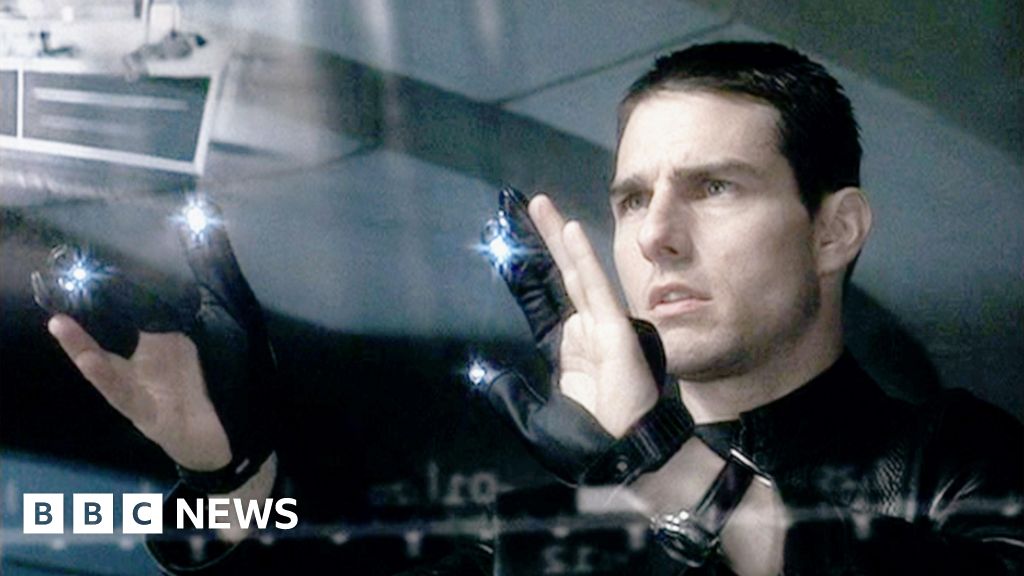
While works of science fiction like Minority Report offer imaginative glimpses into potential futures rife with advanced technologies and societal shifts, some experts caution against dystopian outlooks fueled by concerns over artificial intelligence possibly posing existential threats to humanity. Despite uncertainties surrounding what lies ahead in 2050, echoing Philip K Dick’s optimistic stance on science serving as a force for progress may offer reassurance amid evolving landscapes shaped by innovation and ingenuity.