
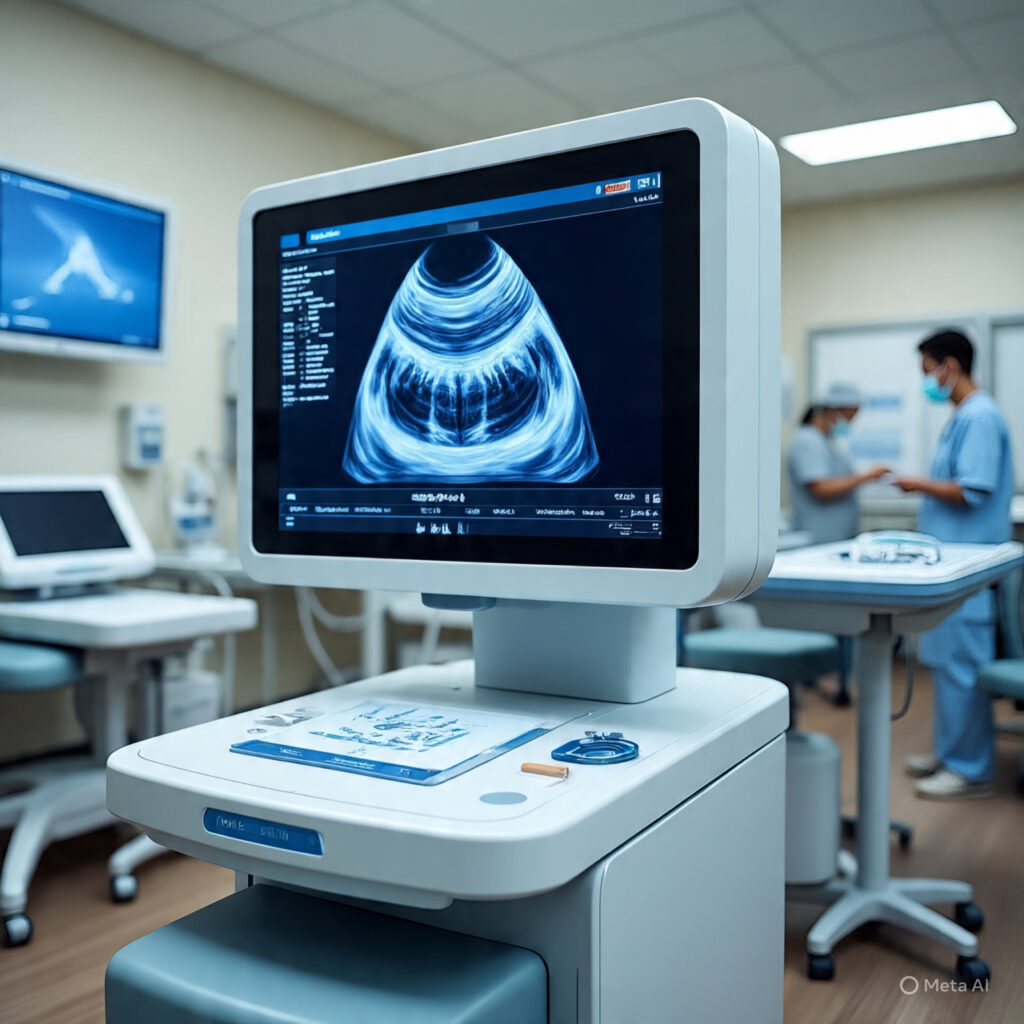
In Delray Beach, FL, on November 25, 2025, a report from GLOBE NEWSWIRE highlighted the robust growth projections for the global AI in medical imaging market. It is anticipated to experience a significant Compound Annual Growth Rate (CAGR) of 23.2%, surging from approximately USD 1.5 billion in 2024 to USD 4.5 billion by 2029. The increasing demand for imaging services, coupled with workforce shortages and rising clinical complexities, is propelling the adoption of AI-powered imaging solutions to enhance diagnostic accuracy and operational efficiency in healthcare systems worldwide.
The adoption of AI in medical imaging is becoming a strategic imperative for healthcare leaders globally as they seek to reduce radiologist workloads, improve early detection capabilities, and enhance patient outcomes. With the projected shortage of 42,000 radiologists in the U.S. by 2033, AI solutions are playing a pivotal role in automating tasks, streamlining workflows, and providing decision support.
AI’s capacity to analyze vast imaging datasets, integrate different modalities, and offer actionable insights that align with clinical workflows is driving its accelerated adoption. Collaborations between key industry players such as Microsoft, NVIDIA, GE HealthCare, AWS, Roche Pharma India, and various governments are further bolstering the development of AI systems tailored for real-world clinical applications.
Efficiency gains, improved accuracy, and support for healthcare workforce are key drivers behind the integration of AI into the medical imaging sector. Leading technology companies like Microsoft, Google Cloud, IBM, Qure.ai are expanding cloud-based platforms to make regulatory-approved AI tools more accessible. Governments are also implementing favorable regulations to facilitate quicker deployment and build trust in the clinical reliability of AI.
Despite these advancements, challenges persist due to a global shortage of AI talent specializing in cognitive computing and evolving regulatory frameworks. To fully harness the potential of AI in healthcare settings, addressing workforce readiness gaps and standardizing governance frameworks through targeted training initiatives is imperative.
Emerging markets such as China, India, Brazil, Southeast Asia, Latin America, and Africa are emerging as significant growth opportunities due to increased healthcare investments and rising demand for cost-effective AI-enhanced imaging solutions. Recent collaborations and investments in these regions underscore the growing momentum towards leveraging AI technologies for enhanced diagnostics.
While some physicians remain hesitant about embracing AI due to concerns about trust issues and over-reliance on technology at the expense of human-centric care models, increasing evidence of AI’s superior accuracy in tasks like tumor detection is boosting confidence levels. Radiologists and specialists are beginning to view AI as a complementary tool rather than a replacement for traditional diagnostic approaches.
In terms of market dynamics, software dominates the landscape owing to its crucial role in advanced diagnostics and real-time analytics. Hospitals lead in adopting AI technologies due to robust IT infrastructure support and increasing utilization of AI for complex cases across various medical specialties such as oncology and cardiology.
Key industry players shaping the market landscape include global tech giants like Microsoft and NVIDIA Corporation alongside innovative companies like Merative and Qure.ai. Strategic partnerships among these players aim to enhance AI models for medical imaging applications while driving operational efficiencies within healthcare systems.
As healthcare organizations grapple with mounting patient volumes and resource constraints, integrating AI into medical imaging workflows is no longer just an option but a strategic imperative. The next five years present a critical window for technology leaders, investors, and healthcare executives to leverage AI-driven insights for gaining competitive advantages in care delivery efficiency and patient outcomes.