
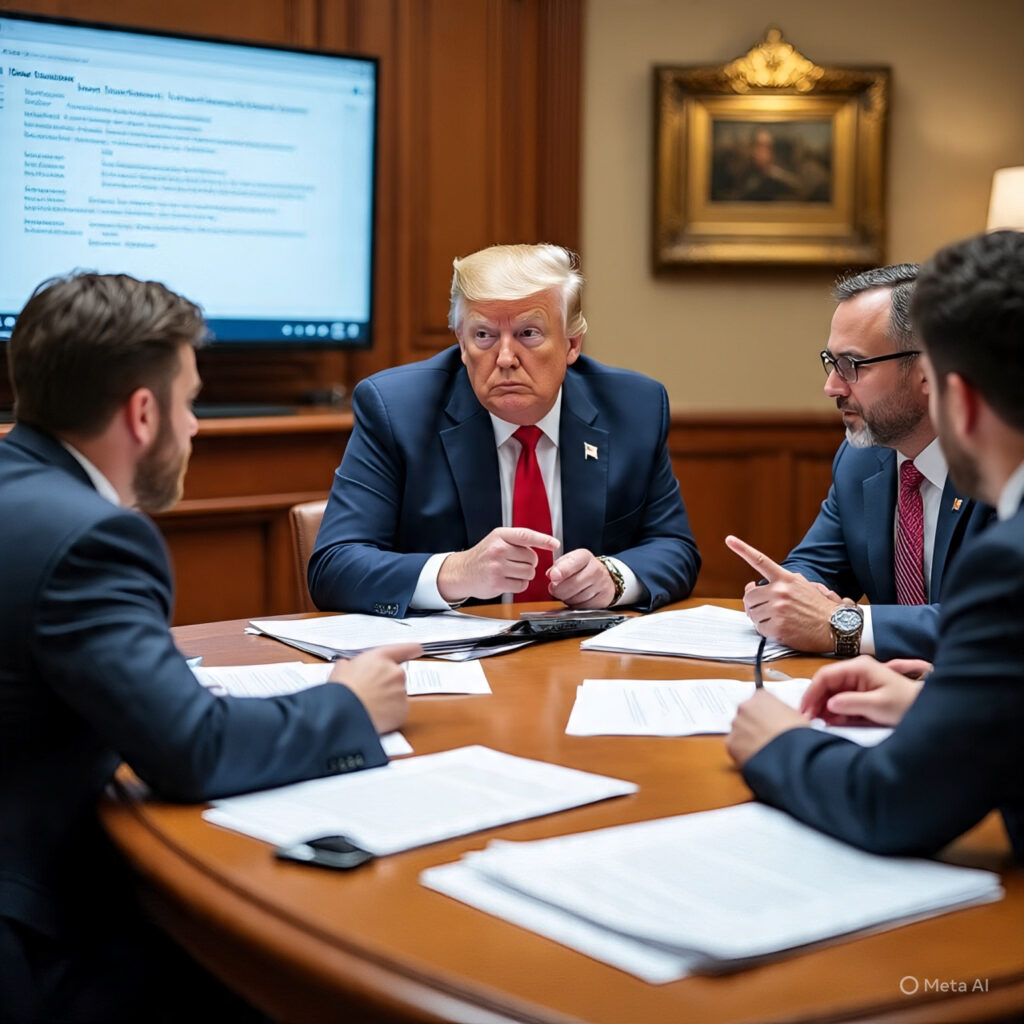
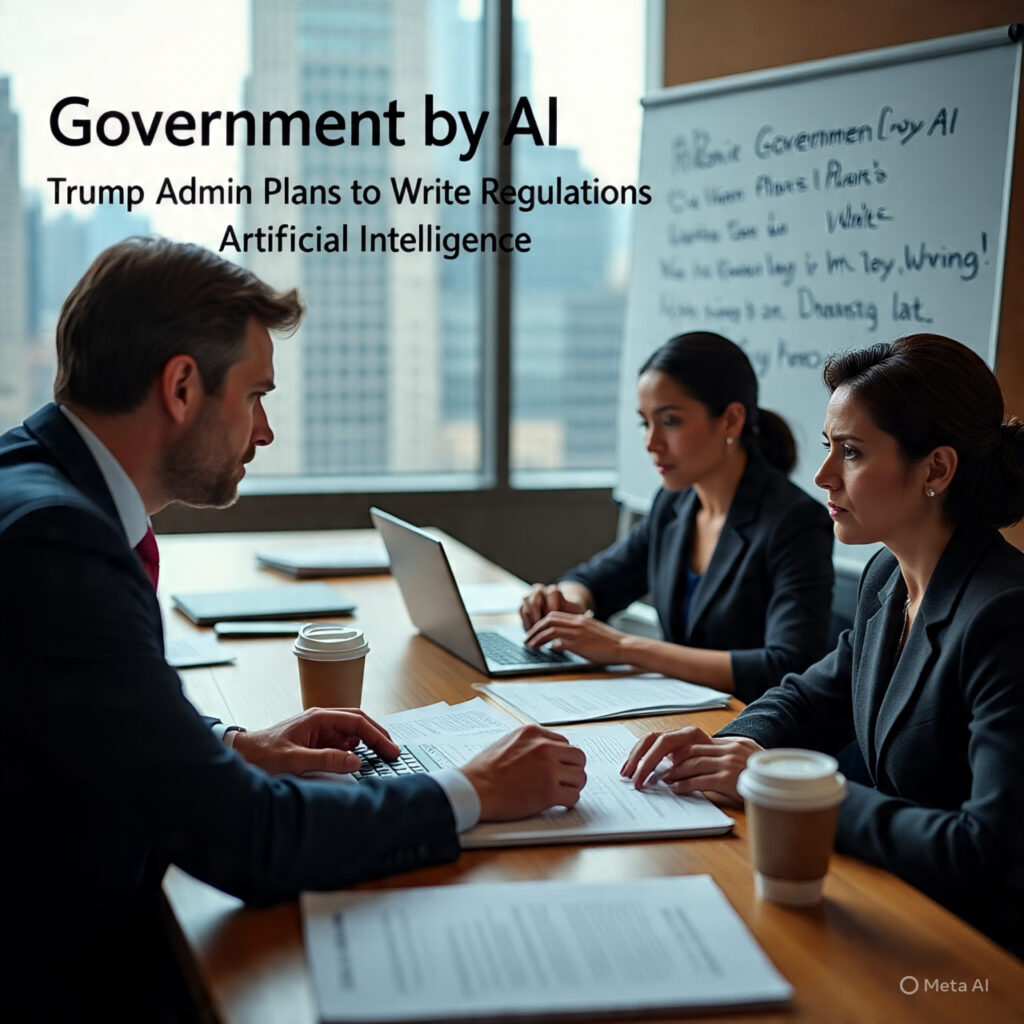
The Trump administration is considering utilizing artificial intelligence to draft federal transportation regulations, as indicated by records from the U.S. Department of Transportation and insights from six agency employees. The proposal was introduced to DOT personnel during a recent display of AI’s potential to transform the process of creating rulemakings, according to a message from agency lawyer Daniel Cohen. Further discussions about the initiative took place among agency leaders last week, details of which were documented in meeting notes reviewed by ProPublica.
During the meeting, Gregory Zerzan, the agency’s general counsel, expressed President Trump’s enthusiasm for this endeavor. Zerzan implied that the DOT is leading a broader federal push by being the first agency fully equipped to utilize AI in regulatory drafting. His focus appeared to be on the quantity rather than the quality of regulations that AI could generate.
Some within DOT have raised concerns about outsourcing the development of crucial safety standards to a technology known for errors. However, proponents argue that the primary advantage of using AI is speed. Traditional methods of writing and revising federal regulations can be time-consuming, but with DOT’s AI tool – Google Gemini, proposed rules could be produced within minutes or even seconds.
The goal is to significantly reduce the timeline for producing transportation regulations, aiming for a complete draft ready for review within just 30 days. Despite skepticism from some about entrusting AI with governance responsibilities due to potential errors, others view it as a means to automate tasks and improve efficiency within government operations.
While there is optimism surrounding AI’s potential benefits, there are questions regarding its capability to produce high-quality regulatory documents. The plan to use AI in drafting regulations has sparked mixed opinions among experts who study administrative law and government technology.
Overall, while there are varying perspectives on integrating AI into regulatory processes, the use of this technology in rulemaking remains a topic of debate and scrutiny within government agencies like DOT.