

In the competition to adopt innovative technologies, some environmental scientists are concerned that their discipline is becoming disconnected from the natural world. Tadeo Ramirez-Parada, during his doctoral research on plant flowering timing, utilized a machine-learning algorithm to examine digitized descriptions of one million herbarium specimens, revealing how flowering periods are shifting due to increasing temperatures. Ramirez-Parada’s findings have helped unravel a significant ecological puzzle, demonstrating that plants adjust their flowering schedules in response to temperature changes rather than evolving through natural selection. Despite this advancement, Ramirez-Parada’s research has primarily been computer-based, highlighting a broader trend in ecology where indoor analysis predominates across various scientific domains like digital records, nature imagery, genetic samples, and sensor data.
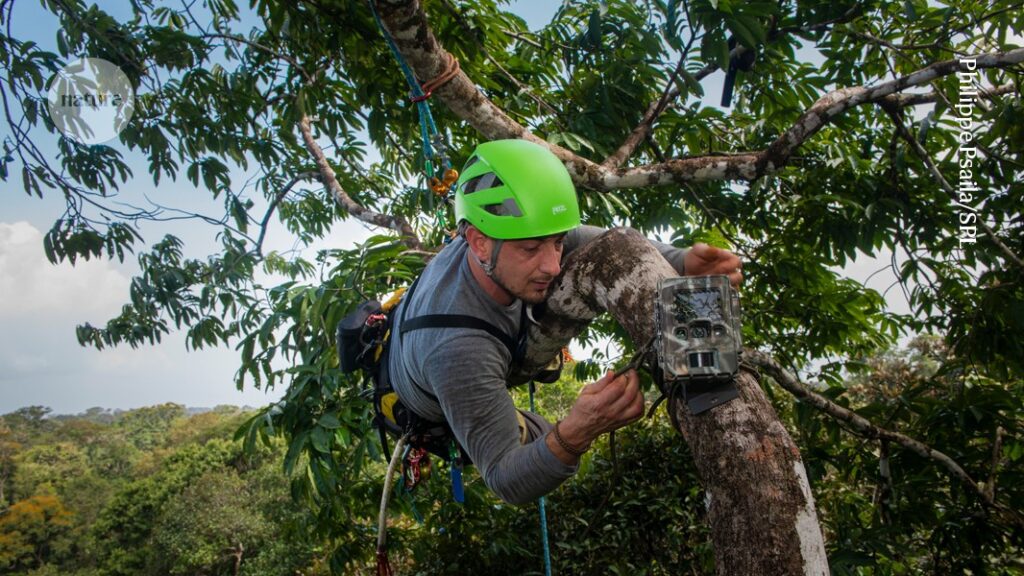
The integration of advanced technologies allows for unprecedented monitoring of ecological communities at various times, locations, and scales. This shift towards automated monitoring is seen as a valuable tool by many ecologists for comprehending biodiversity crises and identifying global change patterns. However, some researchers express unease about this evolution, believing it distances the field from direct engagement with its subject matter. They argue that diminishing field experiences could lead to inaccuracies, biases, and oversimplification of research outcomes.
While the influx of data presents new opportunities, concerns linger about the declining emphasis on fieldwork experience in ecology. The rise of artificial intelligence in ecological studies enables tasks ranging from species identification to complex modeling and forecasting environmental impacts on species. The fusion of technology with ecology has led to tangible applications like tracking invasive species using high-resolution cameras mounted on vehicles and trains. Additionally, advancements in AI have facilitated automated insect monitoring and real-time acoustic data analysis for studying migration patterns.
Despite the benefits of enhanced data analytics capabilities, there are apprehensions about the diminishing focus on fieldwork expertise within ecological research. Some scholars caution against ‘AI colonialism’ where data collected from less affluent regions are analyzed in well-equipped laboratories elsewhere. The debate around balancing technological advancements with traditional fieldwork remains ongoing as ecologists navigate the evolving landscape of ecological research methodologies and practices.