

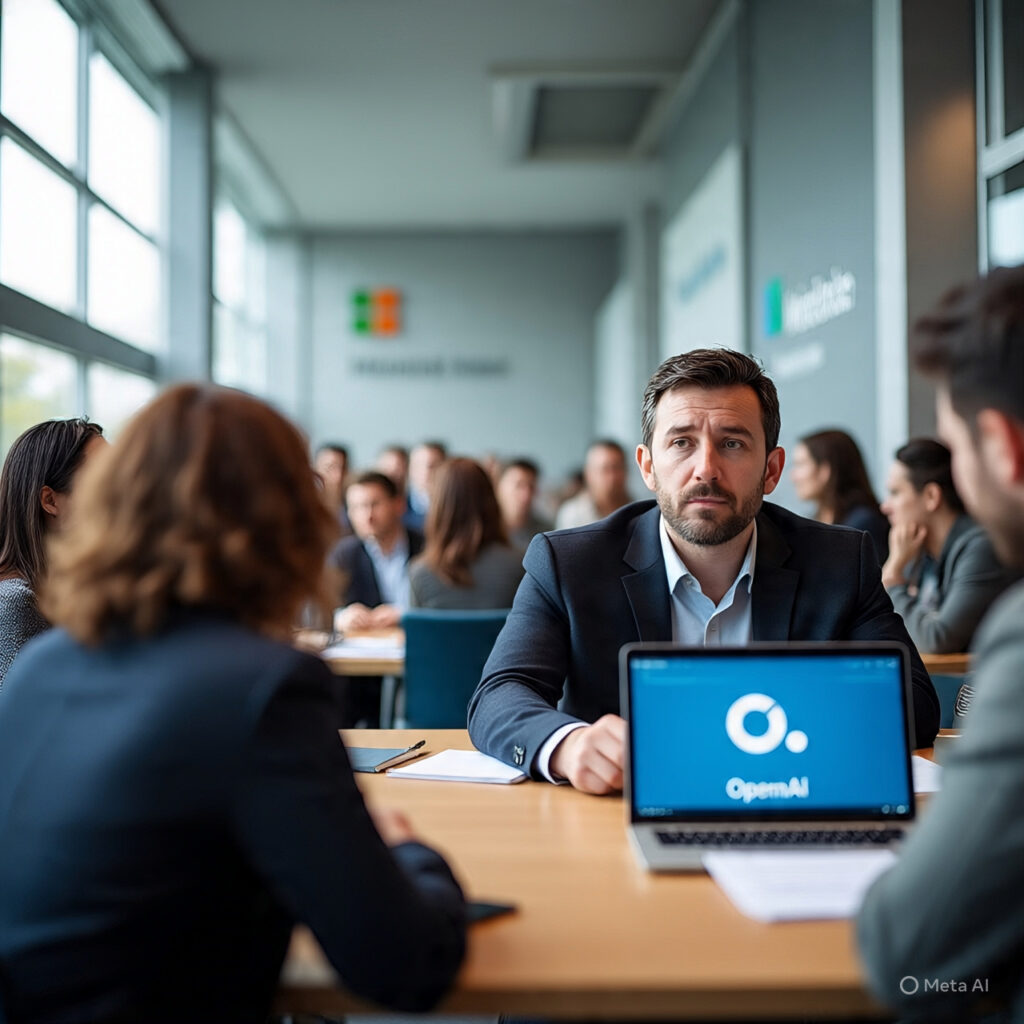
The intricate connection between Microsoft and OpenAI is becoming apparent, revealing strains in their unique tech collaboration. Despite the public display of camaraderie between Microsoft CEO Satya Nadella and OpenAI CEO Sam Altman, issues have emerged surrounding Microsoft’s substantial $13 billion investment in AI. Reports over the past year have depicted a relationship under pressure, with OpenAI seeking more computational resources and reduced dependence on Microsoft. Negotiations regarding OpenAI’s future business direction and its partnership with Microsoft have led to escalating tensions. Earlier this year, Microsoft relinquished its status as the exclusive cloud provider for OpenAI, but OpenAI still requires Microsoft’s consent to transition part of its operations into a profit-making entity. This situation has the potential for a contentious outcome, as OpenAI executives reportedly contemplate accusing Microsoft of engaging in anticompetitive practices. Such an accusation could attract scrutiny from regulators examining the terms of the Microsoft-OpenAI contract for potential antitrust violations.
According to The Wall Street Journal, the latest dispute revolves around OpenAI’s proposed acquisition of AI coding tool Windsurf, with OpenAI seeking an exemption for Windsurf from its existing agreement with Microsoft. If OpenAI decides to publicly challenge its primary partner, Google stands to benefit. The Federal Trade Commission (FTC) initiated an investigation into Microsoft last year under the Biden administration; meanwhile, the Trump administration is pushing forward with an antitrust inquiry that includes scrutiny of Microsoft’s AI investments and partnership with OpenAI. Google has purportedly urged the FTC to terminate Microsoft’s exclusive deal with OpenAI, indicating a keen interest from regulators in hearing directly from OpenAI.
The complex revenue-sharing arrangements between Microsoft and OpenAI further complicate any potential separation between the two entities. While it is widely known that Microsoft receives 20 percent of revenues generated by OpenAI, additional agreements exist beyond this percentage sharing model. For instance, Microsoft not only earns a share of revenue from ChatGPT and OpenAI’s API platform but also invoices OpenAI for inferencing services. Moreover, through its Azure OpenAI service catering directly to businesses, Microsoft pays 20 percent of the service’s revenue back to OpenAI. Additionally, there are undisclosed revenue-sharing components tied to OpenAI’s impact on Bing and Microsoft Edge—a scheme where Microsoft pays a share of increased search and news advertising revenue back to OpenAI based on specific growth thresholds.
These intricate financial ties underline the challenge faced by OpenAI in extricating itself from the collaboration with Microsoft. As part of its multibillion-dollar investment, Microsoft stands to receive up to 49 percent of profits generated by OpenAI’s commercial arm once it becomes profitable—a milestone that is still distant given current circumstances. Nevertheless, efforts are underway within OpenAI to persuade Microsoft to forego its future profit entitlement in exchange for a stake in a restructured version of the business.
Microsoft’s contract with OpenAI also includes provisions that would see it relinquish rights to revenue and AI models once OpenAI achieves Artificial General Intelligence (AGI), further linking potential profits to this milestone. While both parties seek improved terms, recent developments indicate that while tensions persist between them, each is also exploring alternative strategies independently.