

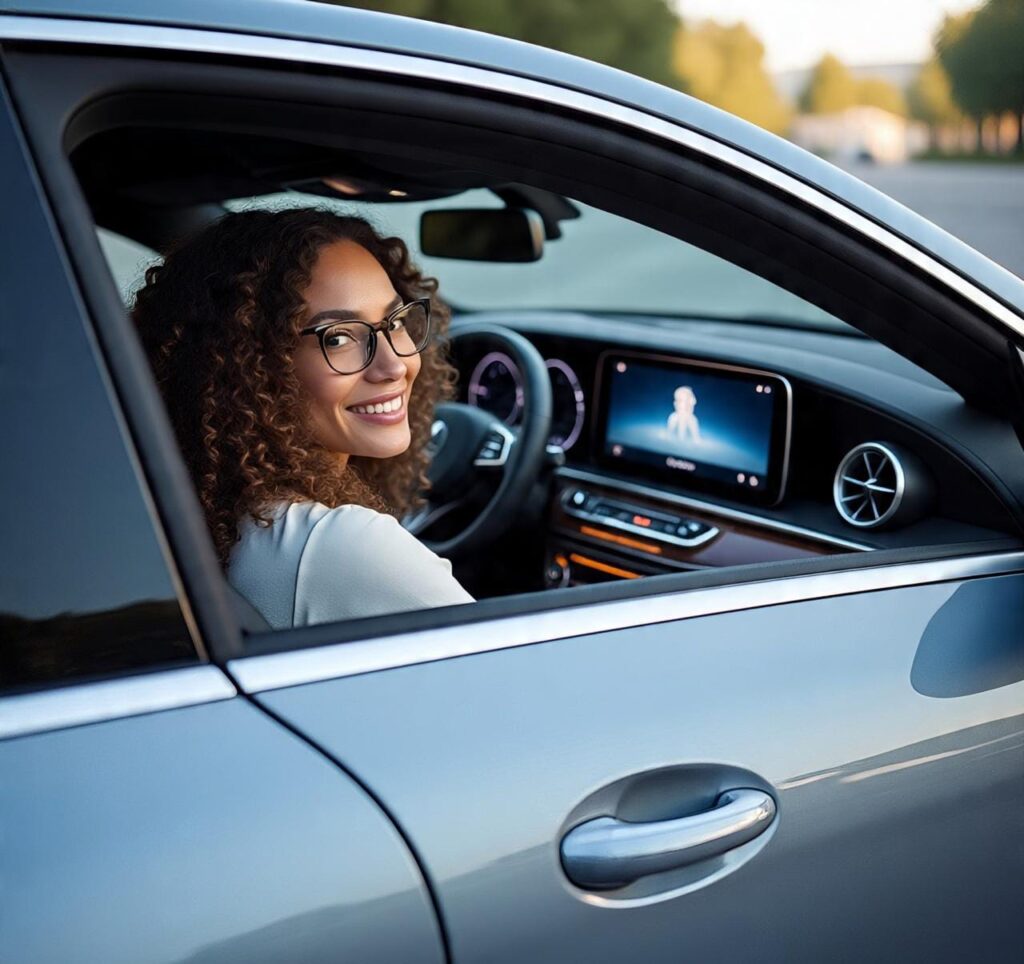
Mercedes-Benz, like other luxury car manufacturers that embraced electric technology at the start of the decade, is revisiting its origins while paving a new path towards zero emissions. Despite initial plans for the EQS electric sedan to appeal to affluent buyers who typically favor the S-Class flagship sedan, it did not gain traction. In response, the German automaker has prolonged the lifespan of its gas and hybrid luxury sedan by enhancing its sophistication through technological advancements.
The S-Class clientele prioritize the driving experience over performance aspects. While Mercedes has catered to individuals who appreciate driving high-end sedans with hefty price tags, the S-Class has become synonymous with affluent areas in major cities worldwide where passengers demand supreme comfort.
In its 2027 S-Class lineup description, Mercedes emphasizes the integration of artificial intelligence and V2X technology to manage the car’s suspension system across different road conditions efficiently.
The groundbreaking “Intelligent Damping” feature utilizes radar and cameras for road analysis to anticipate imperfections like potholes. This data is stored in the Mercedes Information Cloud for future reference on familiar routes. Moreover, Car-to-X communication enables data sharing with other Mercedes vehicles equipped with similar technology, enhancing overall driving experiences.
While Mercedes has incorporated Vehicle-to-Vehicle capabilities in its models for years, these connections have primarily been within the brand’s lineup. Automakers, including Mercedes-Benz, have long strived to enhance ride quality using innovative technologies such as Ford’s camera-based pothole detection system.
Although currently exclusive to the S-Class, Mercedes plans to introduce this advanced technology across its other models in upcoming releases.
The latest S-Class will integrate Google Cloud Automotive AI services alongside Google Maps through MB.OS software for seamless infotainment functions. MB.OS also powers driver assistance systems for enhanced safety and convenience during travel.
Amongst other comfort features prioritized for safety is the introduction of heated seatbelts for front-seat occupants. These seatbelts complement heated seats by ensuring passengers can comfortably remove bulky clothing in cold weather without compromising safety measures.
Additionally, the Digital Vent Control feature allows electronic adjustment of air vents for added convenience inside the vehicle.
The 2027 S-Class lineup will offer six and eight-cylinder gasoline engines with a 48-volt electrical system, generating up to 530 horsepower and featuring standard all-wheel drive. The eco-friendly S 580e plug-in hybrid version combines a six-cylinder gasoline engine with a 22-kWh battery pack for an electric-only range set to be disclosed soon. These new models are expected to arrive at U.S. dealerships in the latter part of this year.
Artificial intelligence remains at the forefront of automotive advancements, playing a crucial role in managing various car functions that impact driver and passenger experiences significantly. Its continued integration suggests a shift towards controlling essential yet unseen elements within vehicles to uphold safety and comfort standards. Whether this trend will extend beyond luxury markets to more affordable vehicles remains uncertain but intriguing nonetheless.