
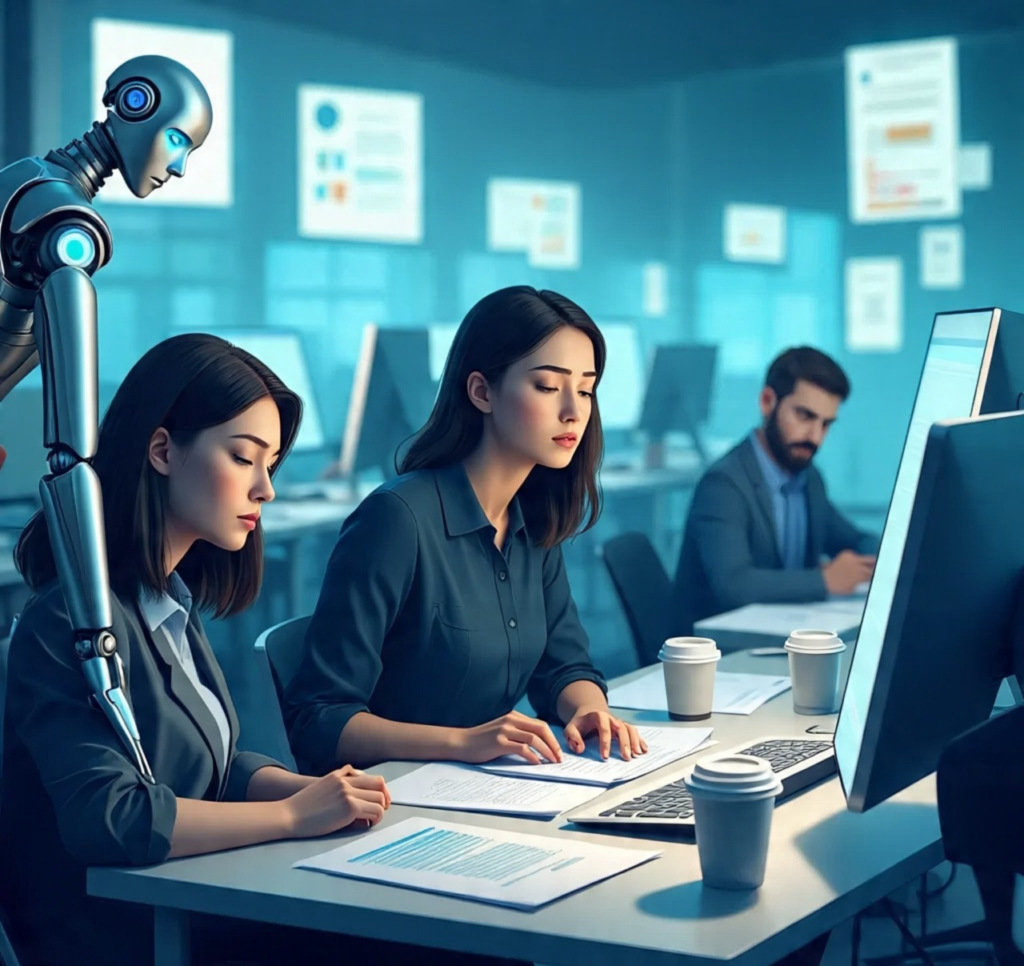

Social media professionals are often tasked with various roles such as creating content, analyzing data, providing customer service, handling external communications, and managing marketing efforts. However, these responsibilities are negatively impacting the mental well-being of professionals.
One potential solution, albeit also a contributing factor to the issue, is Generative AI. According to a survey conducted by Metricool, a social media management platform, nearly 1,000 social media professionals revealed that three-quarters of them feel overwhelmed by juggling multiple tasks simultaneously. Approximately 70% admit to experiencing mental fatigue, with 46% indicating they have encountered symptoms of burnout or are on the brink of it.
Anniston Ward, Metricool’s education manager, highlighted the unrealistic expectations placed on individuals or small teams in the industry. This pressure for real-time creativity, performance excellence, crisis management, and constant availability is unsustainable and detrimental to mental health. Nearly half of the respondents have contemplated leaving their profession due to the stress.
Despite being essential but often misunderstood by companies, social media professionals exemplify how modern employees are expected to achieve more with fewer resources and rely on AI to bridge the gaps regardless of its actual benefits.
While AI has been utilized behind the scenes by social media professionals for some time now, it has become increasingly prevalent in their workflows. Surprisingly, AI is not only commonly used but is also the favored tool among those experiencing burnout.
Burnout is a consequence of persistent workplace stress and can manifest as exhaustion, negativity, feelings of inefficacy, and a lack of accomplishment. The pervasive “always on” culture in social media exacerbates this issue.
Jordan Grubbs from Influence Media Marketing emphasized that constant context switching in social media management leads to mental fatigue. The continual changes in brands, tones of voice, goals, and industries contribute to this cognitive strain. Many professionals are turning to AI tools to manage their workload effectively; approximately 72% of Metricool respondents rely on AI or automation tools for productivity enhancement.
While AI may streamline certain tasks and alleviate some friction in their workloads, creators like Grubbs acknowledge that human-led creation remains crucial for delivering quality results. The influx of AI-generated content online has led to concerns about the authenticity and effectiveness of relying solely on AI for creative endeavors.
As organizations strive for AI optimization and employees grapple with job security concerns amid advancements in technology, balancing increasing workloads while avoiding burnout presents another challenge for social media workers.
Lia Haberman cautioned against overreliance on AI for tasks requiring human creativity and judgment. Despite its potential benefits in improving efficiency, AI should not replace the unique perspectives and expertise that individuals bring to their work.