
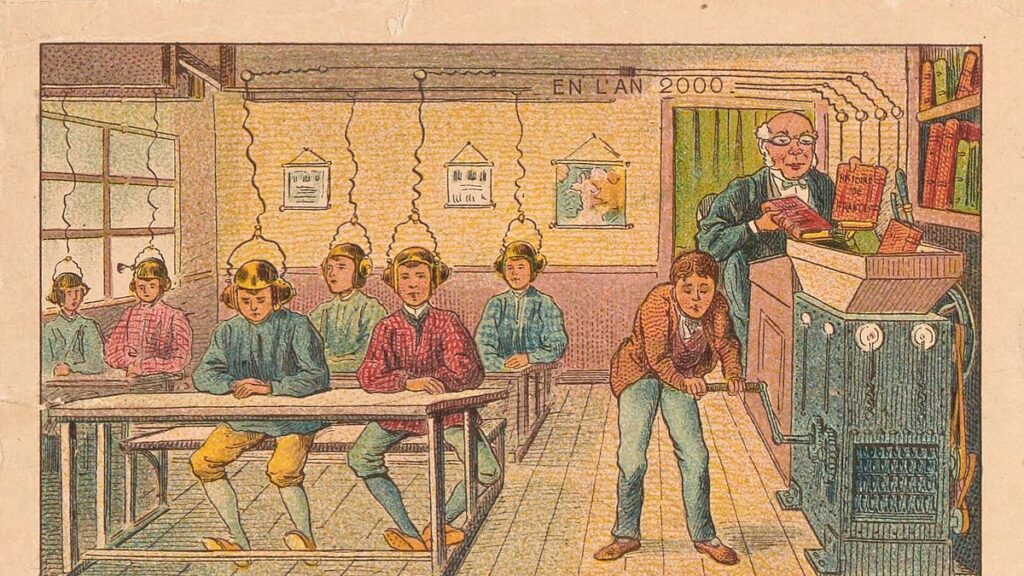

The state of writing is undergoing changes, as highlighted in the discussion on “Cognitive debt,” Claude Code, and the impact of AI on the writing landscape. Recently, an essay predicting the transformation of knowledge work by AI gained massive popularity on X platform, garnering 84 million views. While I mostly agree with its content, some parts seemed exaggerated while others appeared to be subtle marketing tactics. However, what struck me the most was the evident AI involvement in a significant portion of the text. The peculiar “AI slop” quality may have contributed to its success. It seems that in 2026, there is a growing acceptance for this style of machine-generated content characterized by well-structured writing, readily available statistics, extensive length, a cheerful tone, and contrasting phrasing patterns like the popular “it’s not that; it’s this” formula.
The preference for such content concerns me more than anything else. Personally, my journey with reading and writing started quite late compared to peers — at 8 years old, I was struggling with literacy but made significant progress at 9. My literary exploration included works like The Lord of the Rings and eventually more complex authors like Virginia Woolf and Tolstoy. Despite my challenges in understanding these writers fully, I cherished the enchanting language and emotions they evoked. Writing became a skill where I excelled naturally and opened doors for me in various aspects of my life.
My initial professional endeavor post-college involved assisting a seasoned New York labor attorney who relied on handwritten drafts and entrusted me with refining his written work. Fast forward to today, advancements like Gemini can transcribe handwritten notes as effectively as I could and tools like Claude are capable of producing meticulously formatted legal documents beyond my capabilities.
Considering these advancements, what lies ahead for human-authored content? As a historian and educator distinct from my writing identity, I am less apprehensive about the existential concerns raised by articles like “Something Big is Happening.” Historians depend on physical archives and tacit knowledge, providing a unique value proposition that resists replacement by advanced AI models like Sonnet 4.6 designed for computational tasks.
When contemplating jobs immune to automation, professions requiring physical presence or specialized expertise come to mind such as electricians, plumbers, or even history professors engaging in hands-on research or classroom instruction. The interactive dynamics of in-person teaching far surpass online learning experiences underscoring the irreplaceable role of human educators despite technological advancements.
While acknowledging AI’s transformative impact on various occupations, I hold an optimistic view regarding the resilience of historians and teachers in navigating the evolving landscape over the coming decades. However, uncertainties loom over writers regarding the displacement of traditional written content by interactive digital experiences facilitated by advanced AI models like GPT-4.
Embracing software development projects blending history, programming, and writing has been both fulfilling and concerning. The emergence of innovative historical simulations and educational games presents new avenues for creativity but raises questions about the evolving role of writers in shaping engaging narratives amidst technological disruptions.
The concept of “cognitive debt” extends beyond software engineering to encompass cognitive strains resulting from excessive reliance on AI tools for tasks such as essay writing. This intersection between coding and writing underscores evolving challenges faced by creators striving to balance productivity gains with preserving authenticity in their craft.
Reflecting on past achievements rooted in traditional research and writing methodologies evokes a sense of nostalgia amidst contemporary technological advancements. The intrinsic value of genuine intellectual engagement through writing resonates deeply compared to expedited AI-generated outputs lacking the nuanced personal touch characteristic of human expression.
In essence, while AI excels at generating tailored content efficiently, it falls short in replicating the shared intellectual discourse fostered by human-written literature and historical narratives. The essence of individual style and thought encapsulated in authentic human writing remains unparalleled despite technological advancements aiming to streamline content creation processes.
As I continue my creative endeavors exploring the possibilities offered by AI tools alongside traditional writing practices, I remain committed to fostering meaningful interactions with readers grounded in genuine human expression rather than simulated outputs devoid of personal connection. Thus, I embrace this journey with readers as we navigate through an ever-evolving literary landscape together.